Assisted Living vs. Nursing Homes: Understanding the Difference
When an older adult begins needing more support, families may find themselves comparing assisted living communities and nursing homes. While the terms are sometimes used interchangeably, they serve different lifestyle and care needs, offering distinct living experiences.
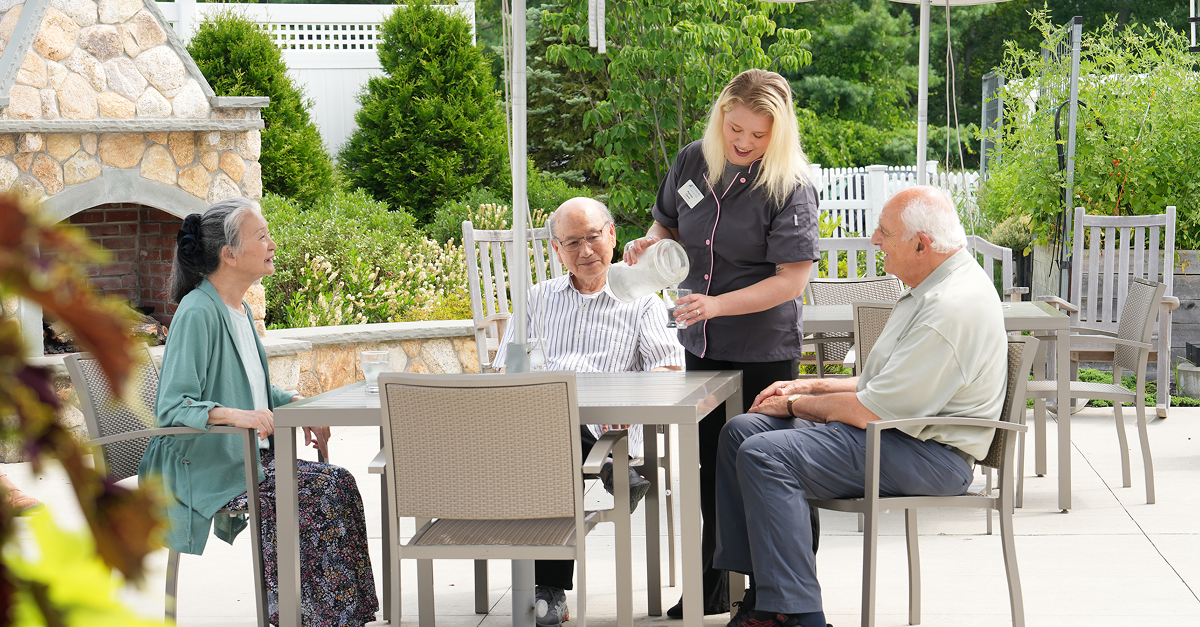
Assisted living supports older adults who need help with daily activities but do not require ongoing skilled medical care. In addition to personalized support, residents may enjoy private apartments, chef-prepared meals, engaging programs, and opportunities to build friendships and pursue their interests.
Nursing homes, also known as skilled nursing facilities (SNFs), are designed for individuals who require a higher level of skilled nursing care, medical oversight or rehabilitation. While residents may also have opportunities for activities and social engagement, the emphasis is on providing comprehensive medical care and rehabilitation services.
Understanding the difference can help families determine which setting best fits their needs, preferences and lifestyle.

What Is Assisted Living?
Assisted living combines personalized support with the benefits of living in a community. Residents typically live in private apartments, and support is tailored to individual needs.
Some residents move in already needing assistance with daily activities, while others may move in without care needs at all, choosing the community simply for lifestyle, dining, wellness opportunities and connections that senior living provides. If needs change over time, additional support can be added so residents can continue living their lives with the right level of assistance.
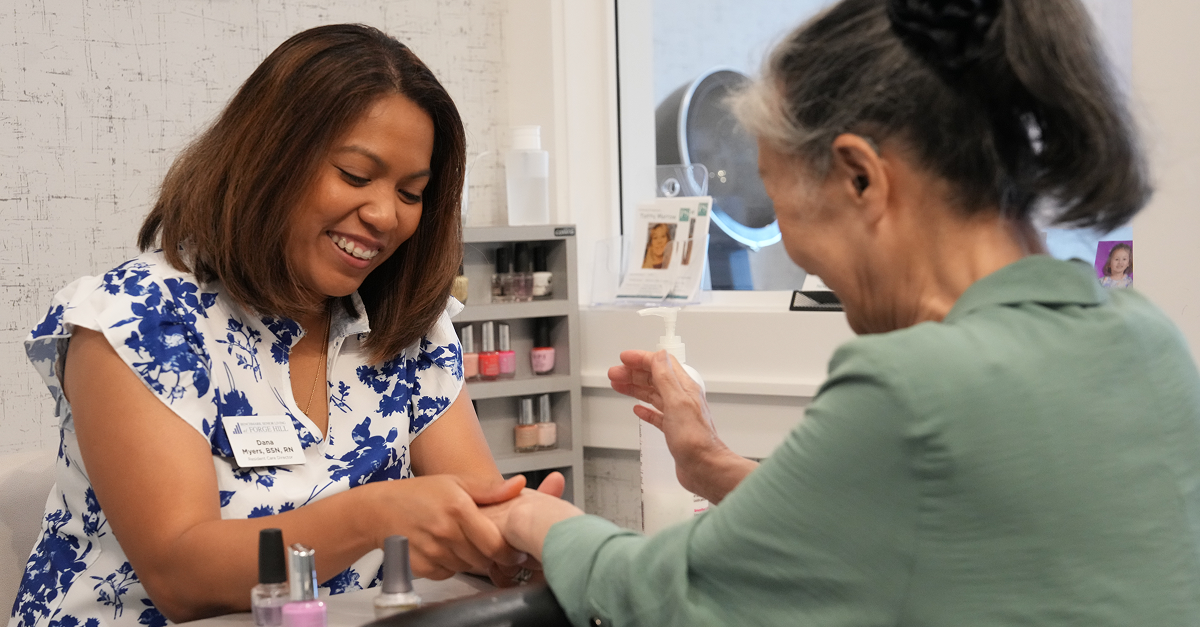
Assisted living is about more than receiving care. By reducing many of the responsibilities of maintaining a household, residents have more opportunities to connect with others, pursue interests, participate in wellness activities and enjoy everyday life with additional support.
What Is a Nursing Home?
A nursing home, or skilled nursing facility, is designed for individuals who require more complex medical care or ongoing skilled nursing services. Nursing homes generally have a more clinical environment than assisted living, with residents living in private or shared rooms rather than apartment-style residences surrounded by their personal belongings.
Skilled nursing facilities may be appropriate for someone who:
- Requires ongoing skilled nursing care
- Needs more complex medical monitoring or treatment
- Requires rehabilitation as part of a recovery or treatment plan
Skilled nursing facilities provide more specialized clinical oversight delivered or supervised by licensed healthcare professionals. Services may include nursing care, medication administration, wound care and physical, occupational or speech therapy.
While social and recreational activities may also be available, the primary focus is clinical care, treatment and rehabilitation.
Assisted Living vs. Nursing Homes
| Assisted Living | Nursing Home (Skilled Nursing) | |
|---|---|---|
| Primary Purpose: | Personalized daily support and quality of life | Skilled nursing care, medical care and rehabilitation |
| Best Suited For: | Older adults who need help with activities of daily living (ADLs) | Individuals with more complex medical or nursing needs |
| Care: | Medication management, wellness monitoring, coordination with healthcare providers | 24/7 licensed nursing care, physician oversight, rehabilitation therapies |
| Therapy Services: | May be provided by outside healthcare providers | Often provided as part of skilled care and rehabilitation |
| Living Environment: | Typically private apartments in a residential community | More clinically focused, with private or shared rooms |
| Lifestyle: | Social events, wellness programs, fitness classes, lifelong learning, dining experiences | Activities may be available, with medical care and recovery as the primary focus |
The services and care described in this blog are for informational purposes only and do not guarantee any medical outcome and should not substitute professional medical advice. The services described may vary and are subject to change without notice. Please contact a community directly to discuss available services and determine whether they can meet your individual needs.
How Do You Know Which Senior Living Option Is Right?
Both play an essential role in supporting older adults and the right option depends on an individual’s health, medical needs, personal goals, and desired lifestyle.
A healthcare provider can help families understand what level of care is appropriate. Whenever possible, exploring options proactively also gives older adults and their families more time to ask questions, visit communities and participate in decisions about what comes next.

The Benchmark Difference
At Benchmark Senior Living, we believe senior living should support the whole person – not simply their care needs.
Our assisted living communities combine personalized, needs-based support with chef-prepared dining, wellness opportunities, engaging experiences and meaningful human connection. Associates take time to understand each resident’s routines, preferences and interests so they can continue living with purpose, dignity and connection.
Many Benchmark communities also offer our specialized Mind & Memory Care for individuals living with Alzheimer’s and other forms of dementia.
If you’re beginning to explore senior living options, connect with a Benchmark community to learn more and determine what type of support may be right for you or someone you love.
Contact Benchmark Senior Living today to learn more or schedule a personalized community visit.