
Adjusting to Memory Care in 2026: What to Expect After the Move?
Adjusting to Memory Care looks different for everyone, and there’s no set timeline for feeling truly settled. This blog explores what families may experience during the transition, including common challenges and factors that can influence adjustment. It also shares practical ways families can support their loved ones, from bringing familiar belongings to staying connected with the care team.
Adjusting to Memory Care in 2026: What to Expect After the Move
Moving someone you love into Memory Care is a significant transition for both you and them. Even when you’ve thought it through, toured several communities and found one that feels right, you’re probably still wondering what happens next: Will they feel at home? Will they make friends? How will you know they’re settling in?
And perhaps one of the biggest questions: how long is it going to take them to adjust?
There is no set timeline. Everyone goes through this experience differently, and feeling at home usually happens bit by bit. Knowing what challenges may come up, and what opportunities there are to help, can make the transition feel a little less scary.
How Long Does It Take to Adjust to Memory Care?
Some residents begin to settle into memory care within the first few days, while others may need weeks or longer to feel at home in their new surroundings. Moving to a new setting brings change: the place, the daily routine, the people around them. For someone living with Alzheimer’s or another type of dementia, these changes can be particularly challenging as they become familiar with a new environment.
The adjustment process isn’t always consistent. Your loved one may enjoy an activity, connect with a caregiver or participate in a favorite pastime one day, then experience confusion, frustration or sadness the next. These changes don’t necessarily mean they’re having difficulty adjusting overall.
What’s important is to pay attention to how your loved one is responding over time and maintain open communication with the care team. Sharing information about their preferences, routines and behaviors can help associates better understand their needs and provide personalized support as they adjust to their new home.

What Do the First Few Weeks In Memory Care Look Like?
The early days are an opportunity for residents and associates to get to know one another. Residents are becoming familiar with their new surroundings, meeting new people and adjusting to different routines. At the same time, associates are learning about each resident’s preferences, interests, habits and the little things that make them unique.
To help residents settle in, associates may incorporate familiar routines, favorite activities and personal interests into their daily experiences. Whether it’s enjoying a favorite song, spending time outdoors or participating in a familiar activity, these personalized moments can help residents begin to feel more at ease in their new surroundings.
Some residents begin participating in activities and connecting with others soon after they arrive. Others may need more time, gentle encouragement or opportunities for quieter, one-on-one engagement.
During this transition, you may notice some changes in your loved one’s behavior, including*:
- Confusion or disorientation: Being unsure of where they are or having difficulty understanding their new surroundings.
- Restlessness: Seeming unsettled or having difficulty adjusting to unfamiliar routines.
- Changes in sleep or appetite: Sleeping more or less than usual, eating differently or showing changes in daily habits.
- Asking to go home: Expressing a desire to return to familiar people, places or routines.
- Withdrawal: Showing less interest in conversations, social interactions or activities.
*Tell our nursing team if your loved one has sudden/new changes in behavior, sleep, appetite or well-being. These deserve a closer look, so don’t just assume it’s part of settling in.
Not every resident experiences these changes, and adjustment can look different from one day to the next. What matters is recognizing patterns over time, celebrating small moments of progress and maintaining open communication with the care team.
As residents become more familiar with the people, routines and surroundings of their new home, they may begin to develop a greater sense of comfort and connection.
How Can Families Help?

While you can’t anticipate every challenge, there are many ways to stay involved and help your loved one settle into their new surroundings.
1. Bring a Little Bit of Home
A favorite blanket. Family photos.
A comfy chair they’ve always loved. Artwork or keepsakes that mean something to them. Think about what your loved one likes to see, touch or have close by. Check with the community on what works for their space and their care needs.
These items can help create a sense of familiarity and make their new apartment feel more like their own..
2. Share What Makes Them Them
You know your loved one in ways the care team is just beginning to discover. Maybe they take their coffee a certain way. Maybe they enjoy listening to music in the morning, have always loved gardening or prefer quieter evenings.
Sharing these details helps associates understand your loved one as an individual, beyond their care needs. Talk about favorite activities, family traditions, past careers, daily routines, personal preferences and what brings them comfort during difficult moments.
This information can help associates create more personalized experiences and meaningful opportunities for engagement.
3. Find a Visiting Routine That Works
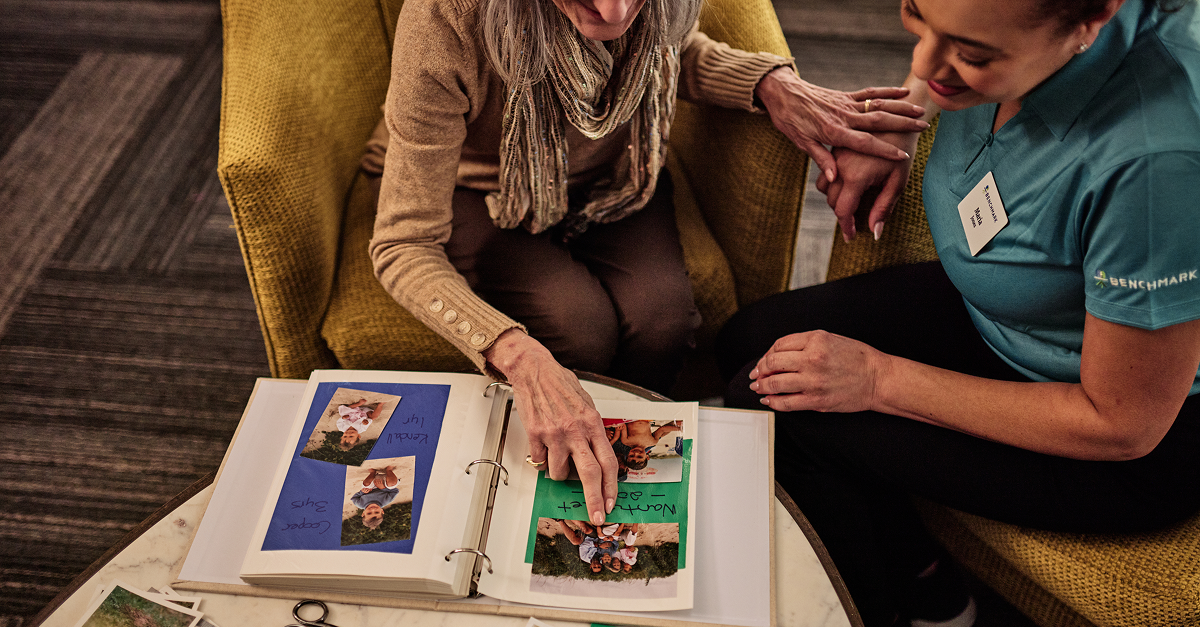
Spending time together matters, but there’s no single visiting schedule that works for everyone. Continue doing things you’ve always enjoyed together, whether that’s sharing a meal, listening to favorite music, looking through family photos or simply spending time talking. Familiar activities can provide opportunities for connection and help your loved one feel more at ease in their new surroundings.
Pay attention to how your loved one responds during visits and be open to adjusting the timing, length or activities based on their needs and preferences.
4. Keep Visits Calm and Goodbyes Gentle
Leaving can be emotional, particularly if your loved one asks you to stay or expresses a desire to go home. Try to keep visits relaxed and unhurried. When it’s time to go, consider what may help make goodbyes easier for your loved one, recognizing that what works for one person may not work for another.
A familiar activity, a few reassuring words or helping your loved one transition to an activity with an associate may help. The care team can also offer suggestions based on your loved one’s individual needs.
5. Give Yourself Room to Adjust, Too
This transition isn’t just about the person who’s moving. As a family member, you might feel sad, guilty, unsure or relieved, sometimes all at once. These emotions can be part of adjusting to a new chapter in your relationship.
It’s also important to make time for your own relationships, rest and well-being. Your role in your loved one’s life remains important, even as their day-to-day care needs are supported by others.
As some of the daily caregiving responsibilities shift, you may find more opportunities to focus on spending meaningful time together.
6. Stay in Touch With the Care Team
Open communication with the care team is an important part of helping your loved one adjust. Ask how your loved one is spending their days, which activities they enjoy, how they’re responding to daily routines and whether associates have noticed any changes. Share your own observations and questions, too.
Regular conversations can help you and the care team better understand what’s working, identify potential concerns and make adjustments to support your loved one’s individual needs.

How Benchmark Supports the Move to Memory Care
At Benchmark, we believe personalized care begins with getting to know each resident as an individual.
This is especially important when someone is adjusting to a new home. Benchmark’s Mind & Memory Care approach focuses on understanding each resident’s life story, preferences, interests and care needs so we can provide support that reflects who they are.
A few things guide how we welcome and support Mind & Memory Care residents and families:
- Certified Dementia Practitioners: Benchmark’s Mind & Memory Care Directors are Certified Dementia Practitioners (CDPs), with specialized training in caring for individuals living with Alzheimer’s disease and other forms of dementia. Their knowledge and experience helps guide Benchmark’s person-centered approaches to engagement, daily routines and resident support.
- Our Award-Winning Connect First Philosophy: Benchmark’s signature Connect First program emphasizes the importance of making a personal connection before beginning a care task or activity. Associates are trained to approach residents with patience, establish a connection and communicate what they’re doing before providing assistance. During the transition, these interactions can help residents become more familiar with the people supporting them and feel more at ease with daily routines.
- Specialized Associate Training: Dementia Live, Compass and Connect First: In addition to general training, Benchmark associates complete specialized training in Dementia Live and Benchmark’s Compass and Connect First programs. In Dementia Live, associates wear goggles, gloves and other gear that help simulate living with dementia so associates can better understand what it may feel like. Benchmark’s Compass Training gives associates tools to support residents through social engagement, cognitive stimulation, physical activity and other proven approaches. Connect First, Benchmark’s award-winning approach, trains associates to always spend time connecting and building trust with residents before any task and using positive physical approaches, such as a modified handshake, that are safer and more calming for someone with dementia. During the transition to memory care, these interactions can help residents become more familiar with the people supporting them and feel more at ease with daily routines.
- Inspired Spaces®️: Benchmark’s Inspired Spaces®️ are thoughtfully designed areas within our memory care neighborhoods that encourage residents to make choices, use their strengths and participate in familiar activities. Rooted in Montessori for dementia principles, these interactive spaces offer opportunities for meaningful engagement throughout the day, not just during scheduled programs. For someone adjusting to a new home, activities such as gardening, creating art or helping with familiar household tasks can provide a sense of familiarity and purpose.
These programs reflect Benchmark’s commitment to understanding each resident and providing personalized support throughout their time with us. While every resident’s adjustment experience is different, our goal is to help each person feel known, respected and connected to the people and activities that matter to them.
A New Chapter, One Day at a Time
It’s evident that settling into memory care doesn’t follow a calendar. Adjusting is a process, and there may be encouraging days and more challenging ones along the way. Feeling settled happens through everyday moments, familiar routines, patient support and chances to build trust and connection.
You’ll probably have questions, and you don’t need to have all the answers. What’s important is continuing to be part of your loved one’s life, finding moments to enjoy together and knowing that Benchmark is here to support you and your loved one throughout the transition.
Learn more about Benchmark’s Mind & Memory Care and find a community near you.