World Alzheimer’s Month: Turning Awareness Into Action
Blog:
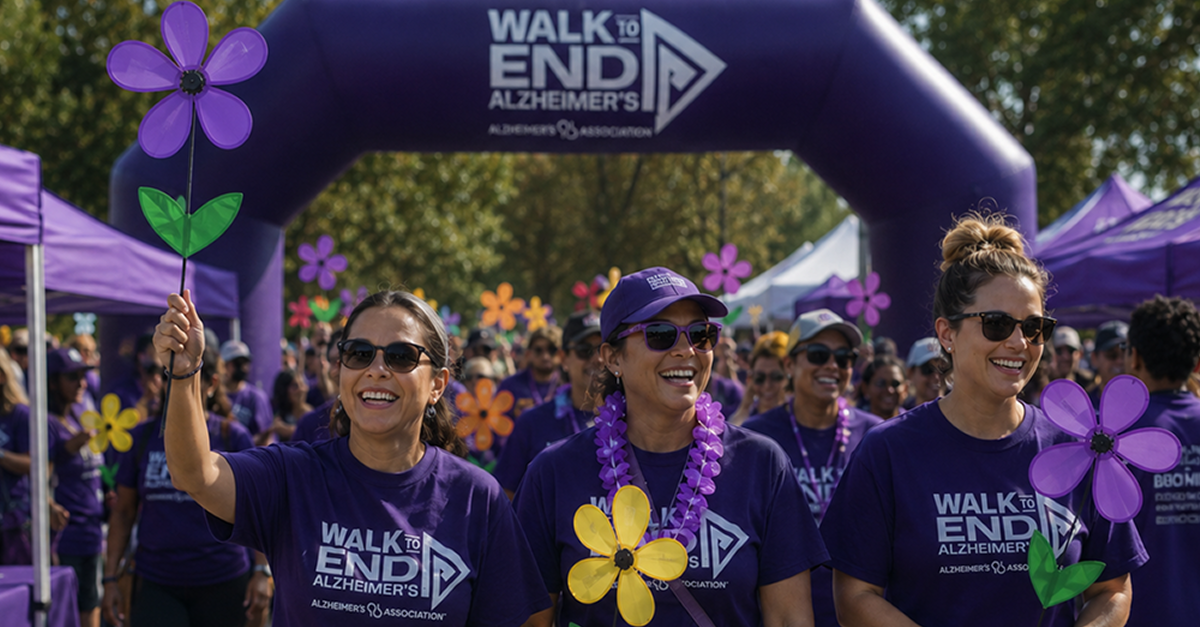
Often marked by purple attire, displays and community walks, World Alzheimer’s Month brings greater attention to Alzheimer’s disease and other forms of dementia each September. But Alzheimer’s awareness is about much more than wearing purple or sharing a statistic.
Awareness is about recognizing the experiences of people living with Alzheimer’s. It’s about helping families identify changes sooner and know where to turn for support. It’s about reducing stigma, supporting caregivers and advancing research. And, importantly, it’s about reminding families that they don’t have to navigate this journey alone.
At Benchmark Senior Living, that last point is especially meaningful. Human connection is at the heart of how we support individuals living with Alzheimer’s and other forms of dementia – and the families who love them.
What Is Alzheimer’s Disease?
What is Alzheimer’s? What is dementia? Alzheimer’s disease is a progressive brain disease and the most common form of dementia. It interferes with memory, thinking, behavior and, over time, a person’s ability to perform everyday activities independently.
Early signs may include difficulty remembering recently learned information, solving familiar problems, keeping track of time or place, or changes in judgment, mood or personality. As the disease progresses, individuals may need increasing assistance with communication, personal care, meals, medication and other aspects of daily life.
The impact of Alzheimer’s extends to families, too. Spouses, adult children and other loved ones may gradually find themselves taking on greater caregiving responsibilities while also adjusting to changes in the relationship.
Why Alzheimer’s Awareness Matters
Awareness can drive meaningful change by supporting research, education, caregiver resources, and community programs. There is currently no cure for Alzheimer’s disease, but research continues to advance our understanding of its causes, diagnosis and treatment.
The scale of Alzheimer’s makes awareness especially important. According to the Alzheimer’s Association’s 2026 Facts and Figures report, an estimated 7.4 million Americans age 65 and older are living with Alzheimer’s dementia – about 1 in 9 people in this age group.
Behind every number is an individual, a family and a story.
Recent advances include improved tools for detecting Alzheimer’s-related brain changes and treatments that can slow disease progression in certain people in the early stages of Alzheimer’s. These advances offer important reasons to continue investing in research – and in hope.
Awareness supports progress in other ways, too. When more people understand the signs of Alzheimer’s and other forms of dementia, families may recognize changes and speak with care providers sooner. Greater understanding can also help reduce stigma and make conversations about cognitive health easier to begin.

The Impact: Alzheimer’s Awareness Can Lead to Action
Alzheimer’s awareness can make a difference when understanding leads to action. Recognizing potential signs may encourage earlier conversations with health care providers, while greater understanding can help families seek education, resources and support. Open conversations can also help reduce stigma, and advocacy, volunteering and fundraising can help advance research and community support.
For families navigating Alzheimer’s or another form of dementia, knowing where to turn for help can be especially important. Support may come from family, community organizations, caregiver resources or, for some, a Memory Care community.
What Is Memory Care, and How Can It Help?
What is memory care? Memory Care provides specialized support for people living with Alzheimer’s disease and other forms of dementia. It combines personalized care with thoughtfully designed environments, structured routines and meaningful experiences adapted to an individual’s abilities and needs.
Effective memory care focuses not only on the support a person needs, but also on who they continue to be – their abilities, interests, routines, relationships and life story. Memory care can provide opportunities for meaningful, purposeful engagement while offering additional support with daily life.
For families, memory care can also provide reassurance that their loved one has additional support around them while easing some of the responsibilities that can accompany caregiving. This can create more space for meaningful time together, shared experiences and simply enjoying one another’s company.
Benchmark’s Mind & Memory Care: Seeing the Person, Not Just the Diagnosis
At Benchmark, our approach to Mind & Memory Care starts with a simple but important belief: a diagnosis is only one part of a person’s story.
Our approach focuses on what residents can do and creates opportunities for choice, dignity, purpose and connection. That philosophy comes to life through specialized education, purposeful programming and thoughtfully designed environments. By getting to know each resident’s history, preferences, abilities and the small details that make them who they are, Benchmark associates can provide support that reflects the individual.
Specialized Training and Leadership
Supporting people living with Alzheimer’s and other forms of dementia requires compassion, consistency and specialized knowledge. Benchmark invests in both experienced leadership and ongoing education to help associates understand cognitive changes, build trust and provide person-centered support.
All Benchmark Mind & Memory Directors and Executive Directors in Memory Care-only communities are Certified Dementia Practitioners (CDPs),a professional credential requiring specialized dementia care education. In addition, all Benchmark associates complete Compass training and Dementia Live®, an experiential dementia education program designed to deepen understanding of the challenges people living with cognitive impairment may experience. By helping associates consider everyday situations from a resident’s perspective, the training reinforces more empathetic, person-centered interactions.
Together, specialized leadership and associate training support Benchmark’s person-centered approach—helping us look beyond a diagnosis to understand each resident’s abilities, preferences, routines and life story.
Connect First
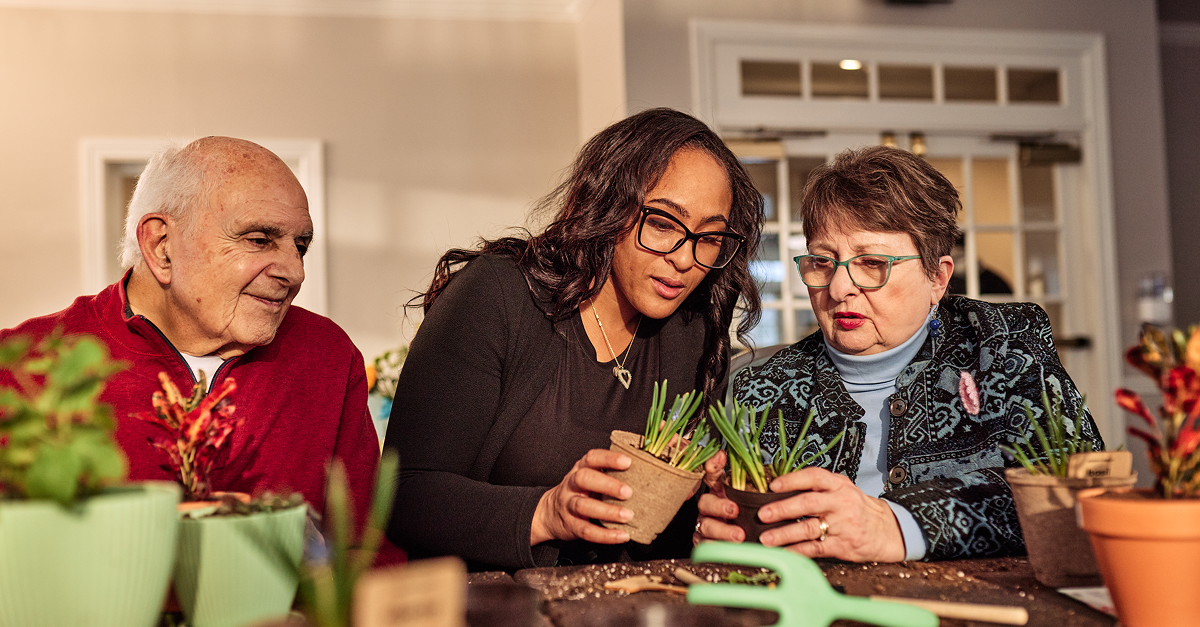
Benchmark’s signature Connect First approach recognizes that meaningful support begins with connection. Associates learn communication and relationship-building strategies designed to foster trust and more positive interactions with residents living with dementia.
As one Benchmark Mind & Memory Care leader describes it, personalized care means truly knowing residents – their history, their likes and what’s important to them – and focusing on the abilities they continue to have.
Alzheimer’s Support for Families: Supporting the People Who Support Them
Alzheimer’s affects more than the individual with the diagnosis. Alzheimer’s changes daily life for spouses, adult children, friends and other caregivers as well. While caregiving can be deeply meaningful, it can also become physically and emotionally demanding as cognitive and care needs change.
Seeking additional support doesn’t mean stepping away from someone you love. For many families, it can create space for a different kind of connection. Time shared can become less centered on managing tasks and more centered on being together.
That connection matters. Benchmark research shows that families of Mind & Memory Care residents place particular importance on staying involved, spending meaningful time together and understanding how they can best support their loved one.
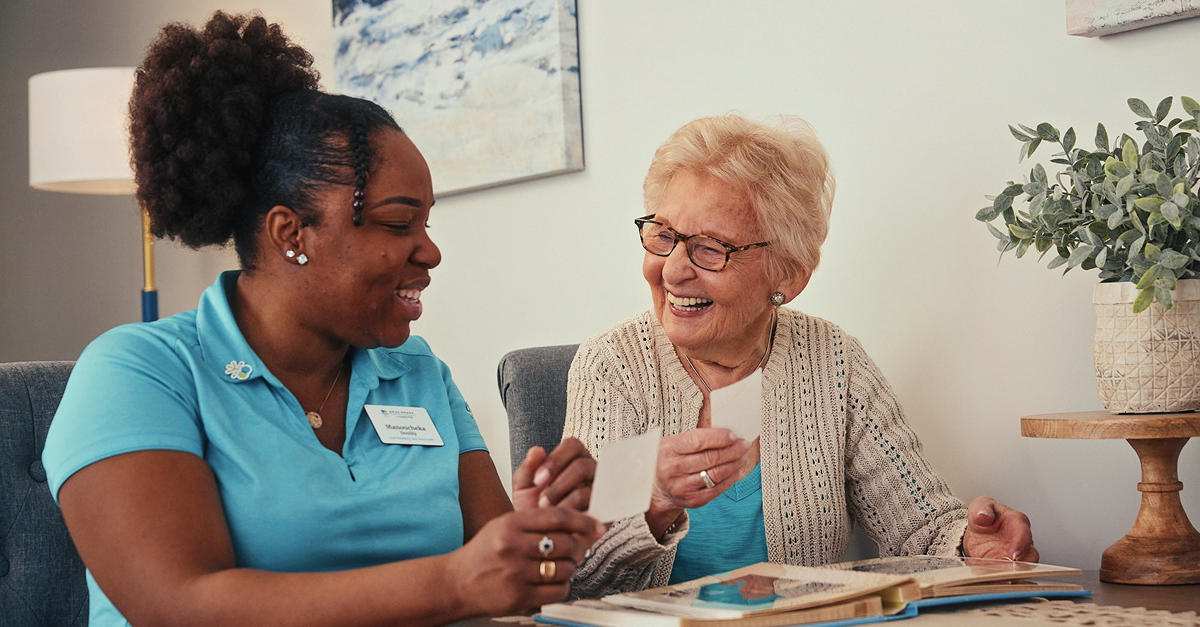
With support from a specially trained memory care team, individuals with Alzheimer’s can receive personalized, day-to-day care, while families have access to guidance and resources. This may create more opportunities to focus on meaningful moments together, like sharing a meal, listening to music, looking through photographs, taking a walk or simply enjoying one another’s company.

World Alzheimer’s Month Ends. The Need for Awareness Doesn’t.
World Alzheimer’s Month creates an important opportunity to raise awareness about Alzheimer’s disease and challenge the stigma. But the need for understanding, research, advocacy and support continues every day of the year.
Learn the signs. Share reliable resources. Support caregivers. Participate in local events. Contribute to organizations advancing Alzheimer’s research. And perhaps most importantly, keep the conversation going.
Every conversation can make Alzheimer’s feel a little less isolating. Every new understanding can help another family find their next step. Every act of connection reminds someone living with dementia that they are still seen, still valued and still themselves.
If you or someone you love is living with Alzheimer’s disease or another form of dementia, learn how Benchmark’s Mind & Memory Care communities provide compassionate, specialized support designed around dignity, purpose and human connection.